


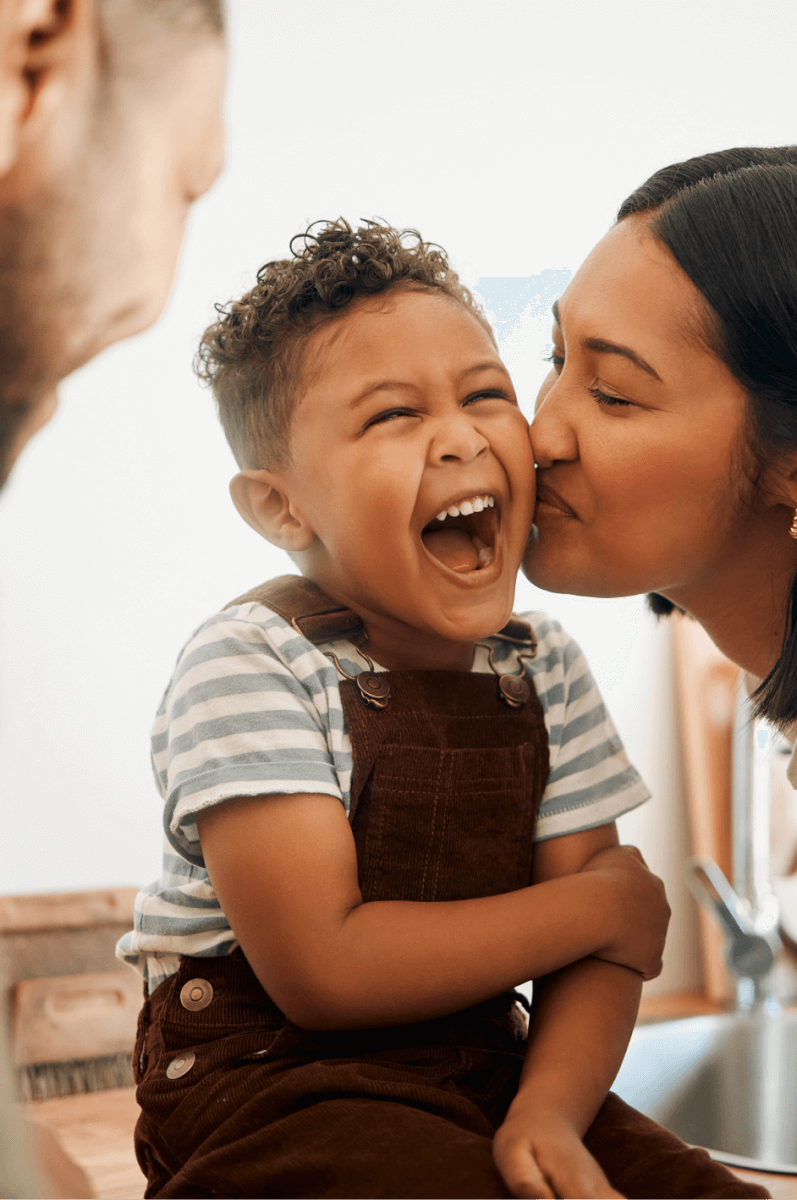
Paint sets, clay, beading kits and monthly craft boxes give families something to do together that doesn't involve a screen. Employers include creativity kits in LSAs because they're an easy, low-cost way to support family time. They also work across ages, from parents of toddlers and teenagers to employees who spend weekends with grandchildren, nieces or nephews.
Families that get the most from creativity kits
Parents of young children use this category for rainy-day projects and craft boxes that arrive each month. Families with older kids often choose classes, like a parent-and-teen pottery night, that give them regular time together. Grandparents and employees who care for relatives on weekends use it too. It's especially handy during summer break or after a move, when kids are home more and structured activities are harder to find. Parents who don't think of themselves as crafty often like kits because the instructions and materials come in one box. For related ideas, see our article on benefits that support working parents and families.
Craft and creativity purchases families commonly make
Plans generally cover supplies and classes meant for family members to make something together.
- Monthly craft subscription boxes for kids
- Painting, sketching and watercolor sets
- Air-dry clay and beginner pottery kits
- Family pottery or painting classes at local studios
- Model-building, knitting or woodworking starter kits
- Scrapbooking and journaling supplies
- Large collaborative puzzles and building sets
To compare this with other popular categories, read our breakdown of LSA eligible expenses.
Common limits on family creativity spending
- General toys and video games are usually excluded, even when they're marketed as creative.
- Supplies bought to meet a school's class list are often treated as school costs rather than enrichment.
- Pricier equipment like kilns, sewing machines or 3D printers may exceed per-item caps or be excluded.
- Some employers require purchases to be for the employee's own household or dependents.
- Drop-off art camps that mainly serve as childcare may fall under dependent care rather than this category.
Building a creativity kit category
Define creative supplies versus toys
Describe what counts, such as materials used to make something, and give a few examples of what doesn't. That's easier to apply than a list of every product.
Include classes as well as products
Studio classes give families a shared outing and come with one clear receipt. Allowing both in the same category gives employees more choice.
Make a call on subscriptions
Monthly kits are one of the most common uses. Decide whether recurring charges are fine and whether they need a monthly cap.
Frequently asked questions
Can I use my LSA for craft kits for my kids?
Many employers include craft and creativity kits in a family or lifestyle category. Your plan decides which items count, so check whether it covers products, classes or both. Classes at local studios are often allowed alongside kits.
Do craft subscription boxes count?
They're a common inclusion, since they're built around regular family activity. Some plans cap how much can go to subscriptions each month. If a box includes a toy with the supplies, reviewers usually look at what the box is mainly for.
Can adults buy supplies for their own hobbies?
That depends on the category. A family creativity category is about shared activities, but many LSAs also have a hobbies category that would cover an adult's own supplies. Ask your benefits team which category fits before you buy.
Are craft activities for a birthday party eligible?
Usually not. Party costs tend to be treated as entertainment rather than family enrichment, though a plan could choose to include them. Some plans also exclude supplies bought purely for decorations.
Tax treatment depends on the plan and location; our guide explains how LSA reimbursements are taxed.
This content is general information, not medical, legal, tax, or financial advice. Employer plan terms determine eligibility, and requirements may vary by location.